 |
| YUCK! Harmless (but still yuck!) |
I sat at one of my ICU’s work stations last week. I planned on spending my time going through charts, writing notes and rechecking lab results. Instead I sat watching the comings and goings, fascinated by our staff and our patients’ families adherence to basic infection control procedures. Across from my work station were two adjacent patient rooms. One patient was on isolation because he had head lice at the time of admission. The other patient was on isolation because she was colonized with one of the “super-bugs,” methicillin-resistant staphylococcus aureus, aka MRSA. This is one of the multi-drug resistant bacteria that have emerged over the last few decades, in part to antibiotic overuse.
Head lice elicit a visceral reaction in most of us. You are probably subconsciously scratching your head right now. They are common in situations where people live or interact in close proximity. And while they may be gross, head lice are harmless.
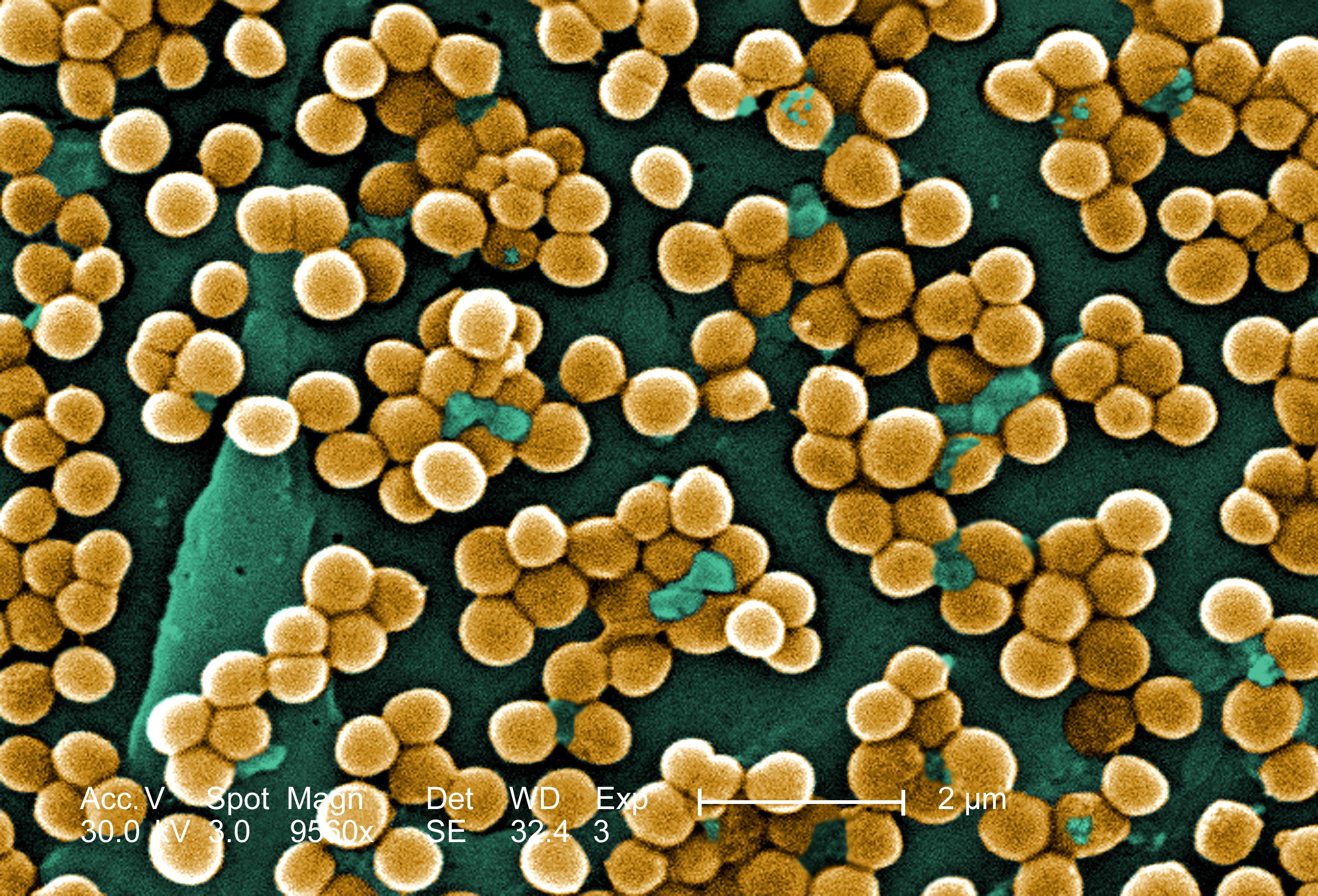 |
| MRSA: not nearly as disgusting, but way more harmful! |
MRSA is becoming increasingly common both in the community and within healthcare facilities. But MRSA is not harmless. Patients who get a hospital-acquired MRSA infections suffer: their length of stay and death rate increase. And the cost to the healthcare system also increases.
Unfortunately, we do not get the same visceral response when we think about MRSA. And I think that is one of the underlying reasons I saw what I saw.
Adherence to infection control practices by families and staff for the patient with lice were universally executed with perfection.
For the patient with MRSA: not so much.
It is well known that MRSA transmission is primarily a healthcare worker vigilance problem. We can prevent the transmission of the potentially deadly MRSA bacteria from one patient to another. How? Washing our hands before and after any contact with our patient or our patient’s environment. Gowning and gloving. Attention to cleaning the patient-care environment. It requires a level of fastidiousness that borders on OCD. But we can do it.
Three or four years ago we had a significant Norovirus (aka Norwalk) outbreak in our hospitals. No one wants to catch an infectious diarrhea: it, too, elicits (both figuratively and literally) a strong visceral reaction in all who come in contact with the virus. Our adherence to best practices was so good during the Norovirus outbreak that our Medical Director of Infection Prevention and Control was able to report to the Quality Committee that no in-hospital transmission of MRSA occurred during this time period where we are so focused on infection prevention. She attributed this success to our staff’s strong desire to not contract such a horrible case of the runs.
Viral diarrhea and head lice - YUCK!
Too bad we don’t feel the same way about MRSA transmission.


No comments:
Post a Comment